STUDIO · A KPOP MAGAZINE PROJECT
Can Music Videos Get Cheaper?
KPOP MAGAZINE and Cobalt Film tested whether AI could bring a music video within reach of a smaller budget. ZELLA’s “AFTER GLOW” was made for about one tenth of the conventional music-video budget used for comparison. It still took more than four weeks.
WATCH THE FULL MUSIC VIDEO
ZELLA — AFTER GLOW
Music and visuals created using AI tools with human producers and a music video director. ZELLA is a virtual artist.
For an independent artist, the choice is not always between an expensive music video and a cheaper one. Sometimes it is between making a video and releasing the song without one.
The costs are easy to underestimate. A conventional shoot needs people, locations and time. Renting a studio, preparing wardrobe and makeup, changing setups and keeping a crew waiting all cost money, even when the camera is not rolling.
For artists funding their own releases, those expenses can put a music video out of reach before production begins.

An experiment with Cobalt Film
KPOP MAGAZINE wanted to test a practical question: could a working music video director use current AI tools to make a video suitable for an album release at a significantly lower cost?
We worked with music video production company Cobalt Film. The result is “AFTER GLOW,” a project featuring the virtual artist ZELLA.
For the music, we used Suno to create a track for the experiment rather than licensing an existing recording. K-pop producers brought their production skills to the process instead of treating a basic generation as the finished song.
Cobalt Film liked the music and initially expected the video to come together quickly. It ultimately took more than four weeks.
We will leave the judgment of the finished video to readers. Watch it and decide whether the result works for you.
A lower budget still took time
We made “AFTER GLOW” for about one tenth of the cost of a conventional music video, based on the production budget we used for comparison.
This comparison reflects our experience on this project, rather than an industry-wide average or a price that every production can achieve. For us, the lower cost was encouraging.
But four weeks of production is a reminder that cheaper does not mean instant. The tools reduced the financial barrier without removing the need for a filmmaker’s time and judgment.
For an artist unable to fund a conventional shoot, that distinction may be acceptable. The important question is whether the result serves the music at a price they can afford.


Not every video needs the same approach
We do not expect every music video to be made this way. “AFTER GLOW” uses a cyber-inflected visual world rather than trying to reproduce an ordinary live-action setting.
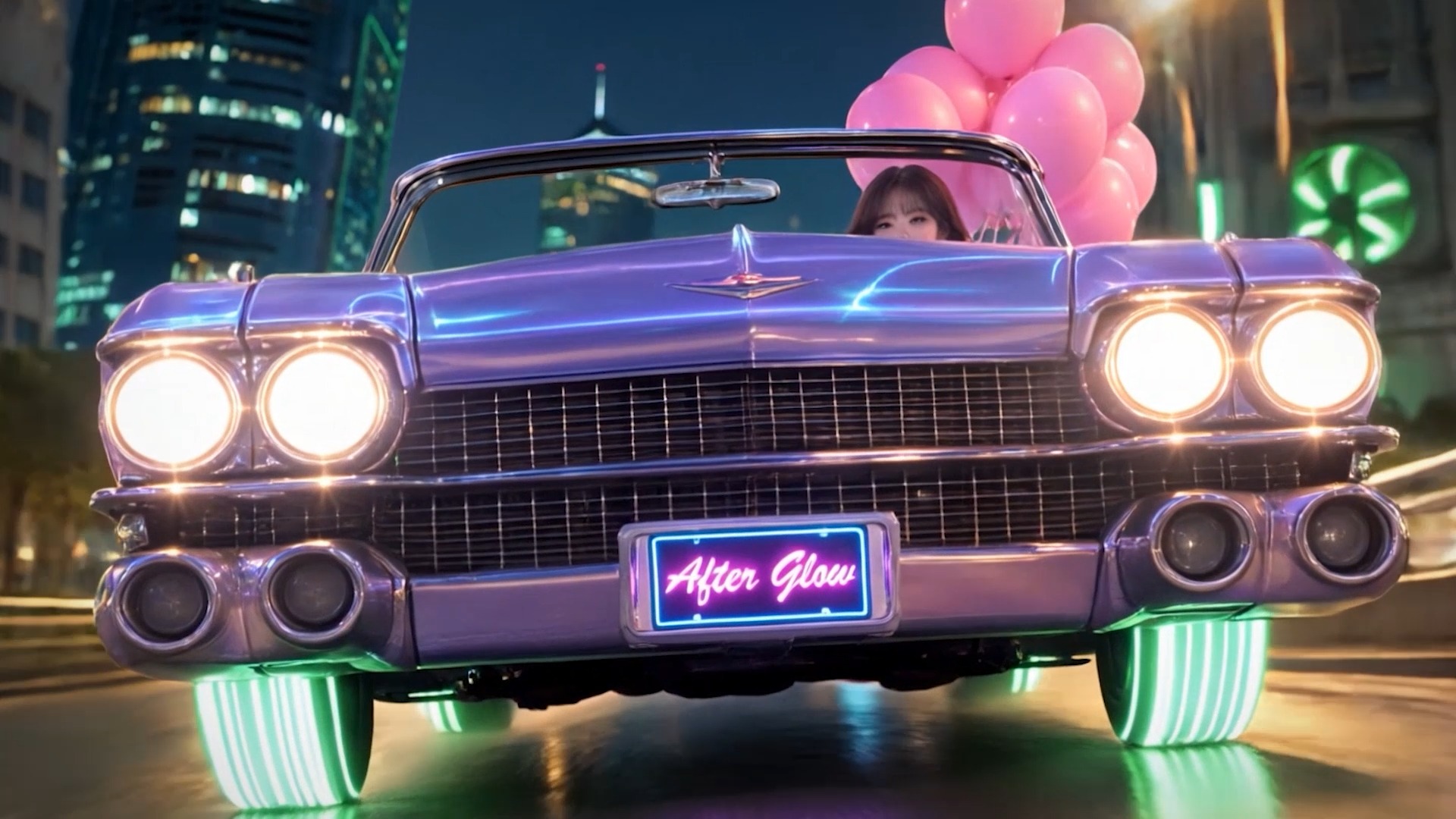
That suggests possibilities for stylized or animation-like videos, particularly where creating the same world through conventional production would be expensive. Fast-beat music may also offer opportunities for this approach. These are possibilities to explore, not conclusions one project can prove.
A video built around a singer’s expression, choreography or physical presence has different demands. Cost alone cannot decide whether AI is the right tool.

Will the audience accept it?
YouTube and Meta require disclosure for certain kinds of AI-generated or altered content. The rules differ, but the larger creative concern is how viewers respond when they know what they are watching.
Some may reject an AI-made video before engaging with the song. We cannot quantify that risk from this experiment, but it belongs in the decision alongside the budget.
ZELLA is also a virtual artist, not a real performer. Building a fandom around a generated identity presents a different challenge from making visuals for a human singer whom listeners already know.

What if the singer is real?
A real artist using their own music with an AI-made video would be a different experiment, and one we would like to explore if the opportunity arises.
Getting past the uncanny valley and earning an emotional response will not be easy. Directors may find ways to do it, but a low budget cannot guarantee audience acceptance.
Even so, affordability matters. If conventional production costs continue to rise, some artists may choose this route despite its compromises. AI does not have to replace conventional music videos to be useful. For an independent artist whose alternative is no video at all, it may make one possible.
Credits and disclosure
- Artist
- ZELLA
- Track
- AFTER GLOW
- Music
- KPOP MAGAZINE, using Suno
- Video production
- Cobalt Film
- Project
- KPOP MAGAZINE
Image credits
Cover and six video stills supplied by KPOP MAGAZINE. Video production: Cobalt Film. The stills show AI-created scenes from AFTER GLOW. Source and usage record.