What K-Pop Artists Hear in Their In-Ear Monitors
The audience hears the concert. The performer needs a mix that helps them deliver it. Follow the sound from the desk to the earpieces.
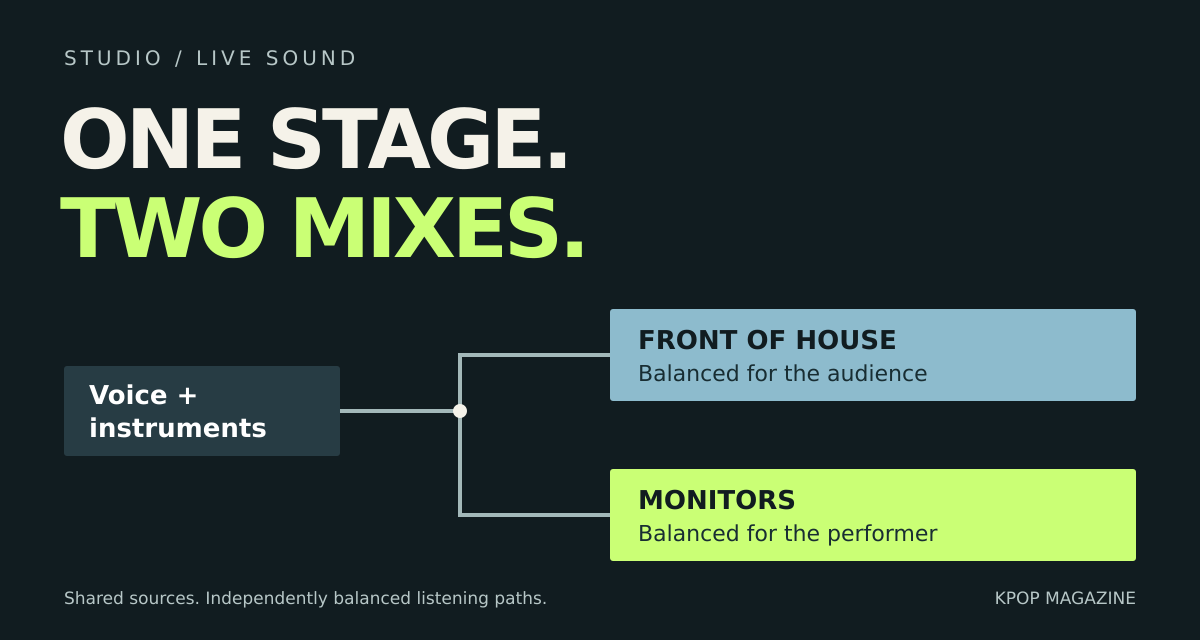
An artist’s in-ear monitors can carry a version of the concert that the audience never hears. Their own microphone may sit prominently above the instruments. A click can mark time. A communication microphone can deliver a cue. The precise combination depends on the performer and the production.
That makes the earpieces a poor clue to whether someone is singing live. They are a listening system. To understand their role, follow the sound back from the ear to the mixing desk.
Same stage.
Different listening jobs.
The front-of-house mix, usually shortened to FOH, serves the room. A monitor mix serves the person performing. Both can begin with the same microphones and instruments, while giving those signals different balances. The singer who needs a clearer vocal reference should not have to make the vocal louder for everyone in the arena. Sennheiser’s system guide explains the split.
A balance for the audience, delivered through the main sound system.
A working reference for the performer, delivered through in-ears, stage wedges or a combination.
A recent production account makes that separation tangible. In its October 1 report on AKMU’s Australian mini-tour, supplier Forefront Productions describes a DiGiCo Quantum 338 at front of house and another at monitors. A Whirlwind split shared the inputs between the two desks.
Forefront also lists Sennheiser G4 wireless in-ears paired with an Aviom personal mixing system for the band, alongside Nexo stage wedges. This is a documented production setup, not a universal equipment list for Korean artists. It shows how several listening arrangements can coexist at one concert.
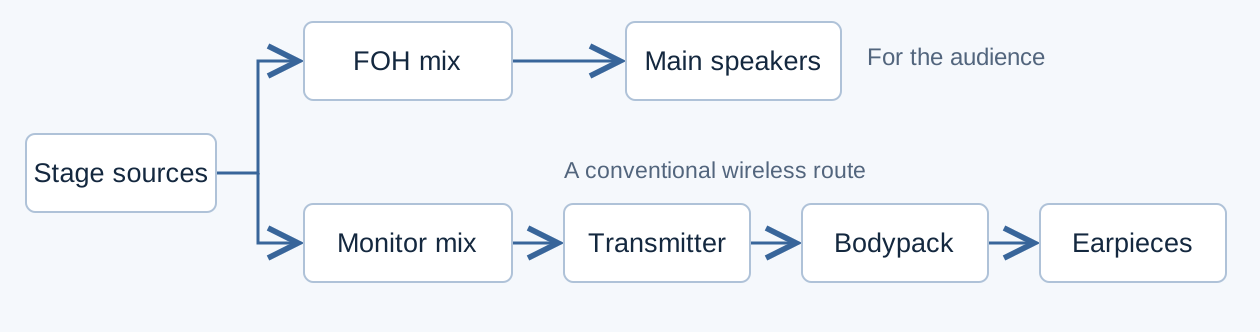
The bodypack is part of the route
In a conventional wireless system, a console feeds a transmitter, which sends the monitor audio to a receiver worn on the performer’s body. A short cable connects that pack to the earpieces. The radio link frees the performer to move while the ears remain connected to their chosen mix.
Shure’s introduction to monitoring explains that multiple receivers can share one transmitted mix. Different earpieces therefore do not automatically mean different mixes. Separate feeds, or supported controls that balance incoming sources, provide different listening options. A stationary musician can also use a wired monitoring route.

What can go into the mix?
There is no standard secret soundtrack that every idol hears. Ultimate Ears describes different priorities for vocalists, drummers and guitarists. Sennheiser’s planning guide includes optional click, audience and communication microphones among the sources an engineer may accommodate.
| In the mix | For the performer |
|---|---|
| Own vocal | A reference for pitch, phrasing and vocal level. |
| Keys or other pitched instruments | Harmonic context for the next note or entrance. |
| Drums or a click | A timing reference; a click is included only when the production uses one. |
| Communication microphone | Spoken cues or instructions, when routed to that mix. |
| Audience microphones | A controlled amount of crowd response and room sound. |
The selection is practical. A singer needs enough musical context to find the next note and enter on time. Our reading of that workflow is that adding every available channel can work against clarity. These examples describe possible functions, not a leaked mix from a particular artist.
Bringing the room back
Well-fitted earpieces reduce the stage sound reaching the ears. That can help the mix remain intelligible, but a performer may feel detached from the room. Audience microphones give the engineer a way to return some of the crowd’s response to the monitor mix.
- 01Audience microphones
- 02Monitor desk: balance the ambience
- 03Performer’s in-ear mix
Ultimate Ears recommends considering ambience, reverb and balance when a singer feels disconnected. Hearing the audience through an in-ear system is compatible with using isolation: the crowd can become a deliberately controlled source.
An adjustment is not the whole story
If an artist touches or removes an earpiece, a video alone rarely establishes why. Fit, the perceived balance or a wish to hear the room are possibilities. Treating the gesture as proof of a failed microphone, an unheard cue or a particular vocal technique goes beyond what the image shows.
A listening system is not a verdict on the singing.
Shure cautions against one-ear monitoring that prompts a performer to raise the remaining earpiece’s volume. In-ears still require careful level management; their presence does not guarantee a safe listening level.
For viewers, the useful distinction is between the performance and the reference that helps the artist deliver it. A monitor mix can contain live voice, instruments and timing information together. Knowing that makes the small pack and cable easier to read, while leaving judgments about the actual singing to evidence of the singing itself.
For another part of the vocal-production chain, read Where Are K-Pop Songs Actually Recorded?
Sources & scope
Checked October 6, 2026. Based on production documentation and manufacturer guidance, not hands-on testing, private monitor audio or an interview with AKMU’s engineers. Explanations of what a viewer can infer are editorial analysis.
- Forefront Productions: Arena Event Production — K-POP Australian Mini Tour — October 1 production account; desks, signal split and the band’s monitoring.
- Shure: An Introduction to In-Ear Monitoring — transmitter, receiver, earpieces, shared mixes and wired options.
- The Sennheiser IEM Guide (PDF) — separate mixes and optional source planning.
- Ultimate Ears: How to Set Up In-Ear Monitors — performer-specific priorities.
- Ultimate Ears: Wedges to In-Ears for Singers — ambience, reverb and the transition from wedges.
- Shure: Fact vs. Fiction — Tim Vear Explodes Audio Myths — one-ear monitoring and level caution.
Visual credits
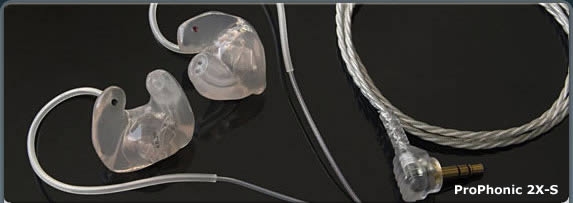
Cover diagram and audience-microphone flow: original KPOP MAGAZINE explanatory graphics. Signal-routes graphic: original KPOP MAGAZINE artwork supplied with the S.I.Q. manuscript. Equipment photo: Sensaphnics Inc. / Senlab, Wikimedia Commons, CC BY-SA 3.0, unchanged. Its 2011 date is unrelated to the 2026 AKMU production account. Official video: Sennheiser / YouTube, embedded; footage remains with its rights holders. Playback availability depends on YouTube.